does too much protein make you gain weight Does whey protein make you lose weight
Protein is an essential component of our diets, playing a crucial role in repairing and building tissues, as well as supporting a healthy immune system. It has long been touted as the key to building lean muscle and aiding in weight loss. But does consuming too much protein actually make you fat? Let’s explore this topic further.
Understanding Protein and Weight Gain
Protein is a macronutrient that is made up of amino acids, which are the building blocks of our bodies. When we consume protein, our bodies break it down into these amino acids, which are then used to repair and build muscle tissue. Unlike carbohydrates and fats, our bodies do not store excess protein as fat. Instead, any surplus protein is converted into energy or excreted from the body.
Therefore, the notion that consuming too much protein on its own can lead to weight gain is not entirely accurate. Weight gain occurs when there is an overall caloric surplus, meaning we consume more calories than our bodies need for energy. This can come from any macronutrient, including protein, carbohydrates, or fats.
The Importance of a Balanced Diet
While protein is vital for muscle growth and repair, it is essential to maintain a balanced diet that includes all the necessary macronutrients. Consuming only protein in excessive amounts could mean missing out on other nutrients that are equally important for overall health.
Carbohydrates, for example, provide energy for our bodies and should not be neglected. They are a crucial source of fuel for the brain and central nervous system. Healthy fats, such as those found in avocados and nuts, are essential for hormone production and the absorption of certain vitamins.
The Role of Protein in Weight Loss
Protein plays a crucial role in weight loss by helping to control hunger and regulate blood sugar levels. It is often more satiating than carbohydrates or fats, meaning it keeps us feeling full for longer periods. This can lead to reduced calorie intake overall, making it easier to achieve a calorie deficit and lose weight.
Additionally, protein has a higher thermic effect compared to other macronutrients. This means that our bodies burn more calories during the digestion and absorption of protein. By increasing our protein intake, we can boost our metabolism and potentially burn more calories throughout the day.
The Importance of Moderation
While protein is undoubtedly important for our health and weight management, it is crucial to consume it in moderation. The daily recommended protein intake varies depending on several factors, including age, sex, weight, and activity level.
Excessive protein consumption can put a strain on the kidneys, as they are responsible for filtering and excreting waste products from protein metabolism. It can also lead to an imbalance in other nutrients if it replaces a significant portion of carbohydrates or fats in the diet.
It is always best to consult with a healthcare professional or a registered dietitian before making any drastic changes to your diet, especially if you are considering significantly increasing your protein intake.
Incorporating Protein into Your Diet
To ensure a healthy and balanced intake of protein, it is important to incorporate a variety of protein-rich foods into your diet. Good sources of protein include lean meats, poultry, fish, eggs, dairy products, legumes, and plant-based protein sources such as tofu and tempeh.
Conclusion
In conclusion, consuming too much protein does not directly lead to weight gain or fat accumulation. Weight gain is more likely to occur when there is an overall caloric surplus, regardless of whether those excess calories come from protein, carbohydrates, or fats. Protein is an important macronutrient that plays a vital role in our overall health and can aid in weight loss when incorporated into a balanced diet.
Remember, moderation is key. It is always best to consult with a healthcare professional before making significant dietary changes. Incorporate a variety of protein sources into your diet, and strive for a balanced intake of all macronutrients for optimal health and weight management.
 Protein-rich Breakfast
Start your day off right with a protein-rich breakfast. This could include eggs, Greek yogurt, or a protein shake. By fueling your body with protein in the morning, you’ll feel satisfied and energized throughout the day.
 Fitness and Nutrition
Incorporating protein into your diet is just one piece of the puzzle when it comes to achieving your fitness and nutrition goals. Make sure to maintain a well-rounded exercise routine and eat a variety of nutrient-dense foods to support your overall health and well-being.
If you are searching about Does Whey Protein Make You Lose Weight - Protein Choices you’ve visit to the right page. We have 5 Images about Does Whey Protein Make You Lose Weight - Protein Choices like How Much Protein To Eat To Gain Weight - MUCHW, Does Whey Protein Make You Lose Weight - Protein Choices and also Does Whey Protein Make You Lose Weight - Protein Choices. Read more:
Does Whey Protein Make You Lose Weight - Protein Choices
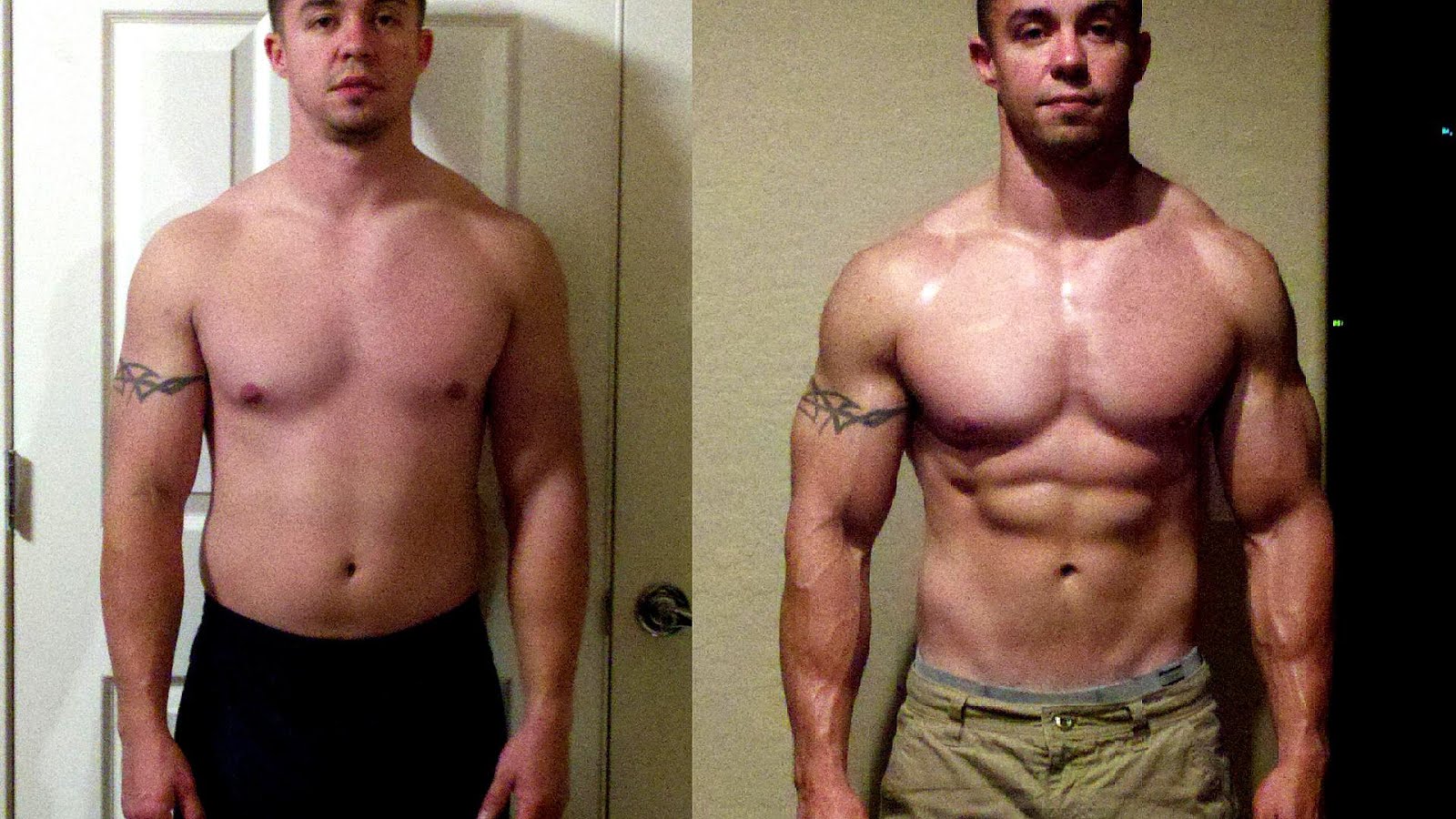 proteinchoices.blogspot.comwhey
Pin On Fitness And Nutrition
www.pinterest.comHow Much Protein To Eat To Gain Weight - MUCHW
 muchw.blogspot.comDoes Too Much Protein Make You Fat? | Men’s Journal
 www.mensjournal.comDoes Protein Make You Gain Weight? | HealthReporter
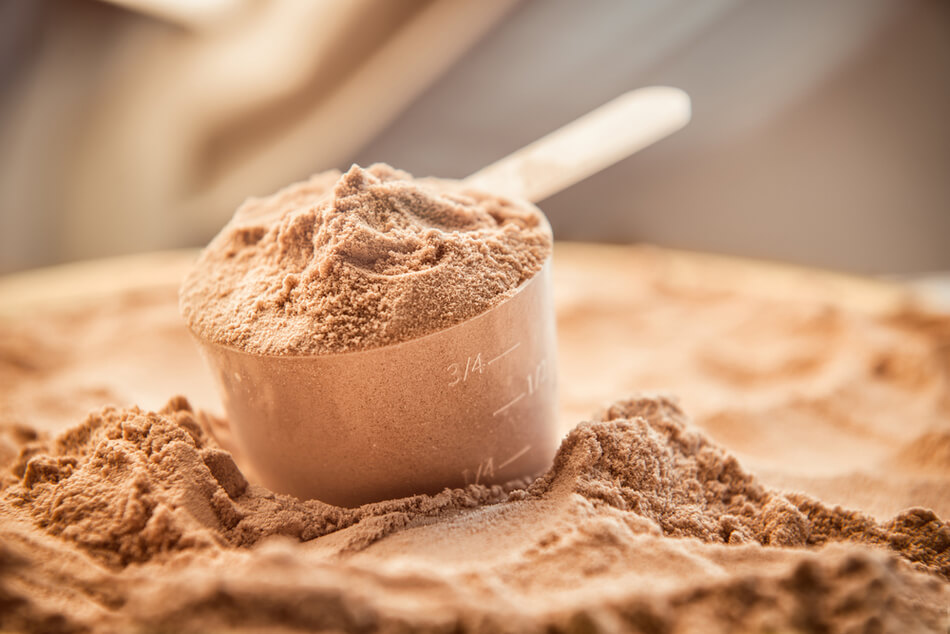 healthreporter.comHow much protein to eat to gain weight. Does whey protein make you lose weight. Pin on fitness and nutrition