how much protein can you have on keto How much protein should you eat a low-carb keto diet?
Many people who follow the ketogenic diet often wonder about the role of protein in their diet. Should you eat more protein on keto? Let’s explore this question and find out.
The Importance of Protein
Protein is an essential nutrient that plays a crucial role in our overall health and well-being. It is responsible for repairing and building tissues, producing enzymes, hormones, and other molecules, and supporting a healthy immune system. While carbohydrates are restricted on a ketogenic diet, it is important to ensure an adequate intake of protein.
 Protein on a Ketogenic Diet
When following a ketogenic diet, the primary macronutrient is fat, with moderate protein intake and minimal carbohydrate consumption. This is done to induce a state of ketosis, where the body burns fat for fuel instead of glucose.
While fat plays a significant role in a ketogenic diet, protein is necessary for various reasons. First, it provides the building blocks for muscle growth and repair. When you consume protein, it gets broken down into amino acids, which are then used to repair damaged muscle tissues and support muscle growth.
Moreover, protein has a higher thermic effect compared to fats and carbs, which means that it requires more energy to digest and metabolize. As a result, consuming protein can boost your metabolism and promote fat burning.
 Finding the Right Balance
While protein is important on a keto diet, it is crucial to find the right balance. Consuming too much protein can potentially kick you out of ketosis as excess protein can be converted into glucose through a process called gluconeogenesis.
So, how much protein should you eat on a ketogenic diet? The optimal protein intake varies depending on factors such as your activity level, body composition goals, and overall health. However, a general guideline is to consume around 0.6 to 0.8 grams of protein per pound of lean body mass. This ensures you get enough protein to support your muscle growth and repair needs without inhibiting ketosis.
Remember, it is always best to consult with a healthcare professional or a registered dietitian before making any significant changes to your diet, especially if you have any underlying health conditions.
Conclusion
Protein plays a vital role in a well-rounded ketogenic diet. While the focus is primarily on healthy fats, incorporating the right amount of protein is essential for muscle growth, repair, and overall health. By finding the right balance and following personalized recommendations, you can ensure that your protein intake supports your ketogenic journey while keeping you in a state of ketosis.
Images:
- “Protein on Keto: Should You Eat More?” by Pinterest
- “Can You Have Too Much Protein On Keto” by ProteinProGuide.com
If you are looking for How Much Protein Should You Eat a Low-Carb Keto Diet? you’ve came to the right place. We have 5 Images about How Much Protein Should You Eat a Low-Carb Keto Diet? like Can You Have Too Much Protein On Keto - ProteinProGuide.com, How Much Protein Can You Eat on a Ketogenic Diet | Low carb diet and also Protein on Keto: Should You Eat More? | Keto, Free keto recipes, Eating. Here it is:
How Much Protein Should You Eat A Low-Carb Keto Diet?
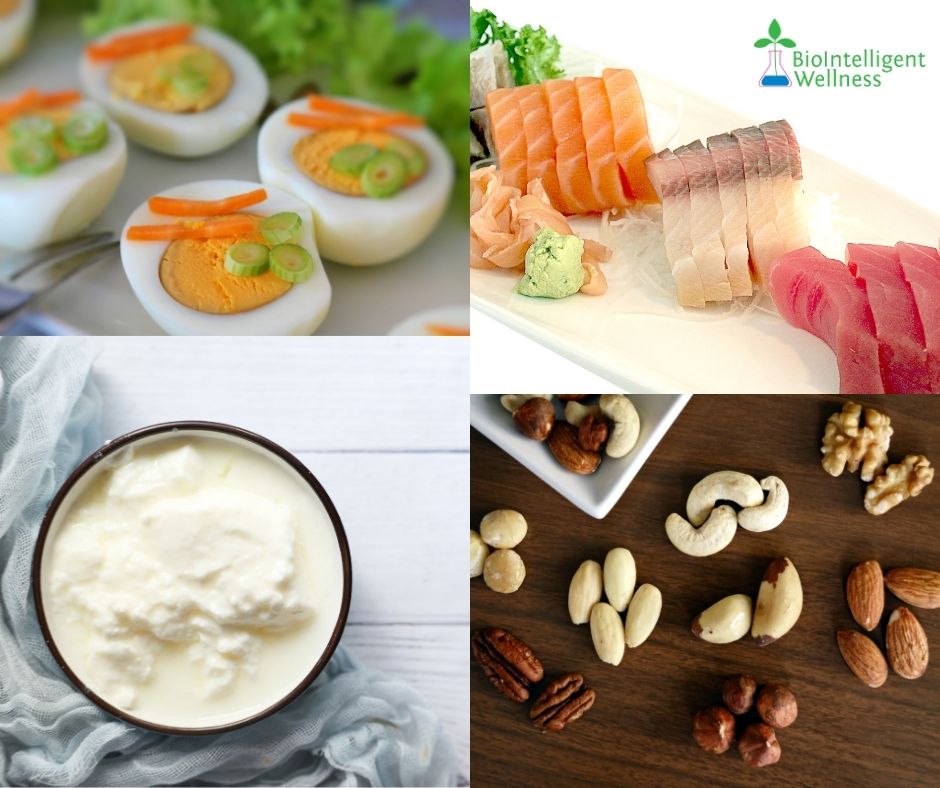 biointelligentwellness.comHow Much Protein Can You Digest Per Meal? (ABSORPTION MYTH) | Muscle
 www.pinterest.comProtein On Keto: Should You Eat More? | Keto, Free Keto Recipes, Eating
www.pinterest.comHow Much Protein Can You Eat On A Ketogenic Diet | Low Carb Diet
 www.pinterest.comperfectketo
Can You Have Too Much Protein On Keto - ProteinProGuide.com
www.proteinproguide.comHow much protein should you eat a low-carb keto diet?. Can you have too much protein on keto. How much protein can you digest per meal? (absorption myth)